Don't Let the Spike Die Broke: Cashing In on Viral Traffic Before It Vanishes
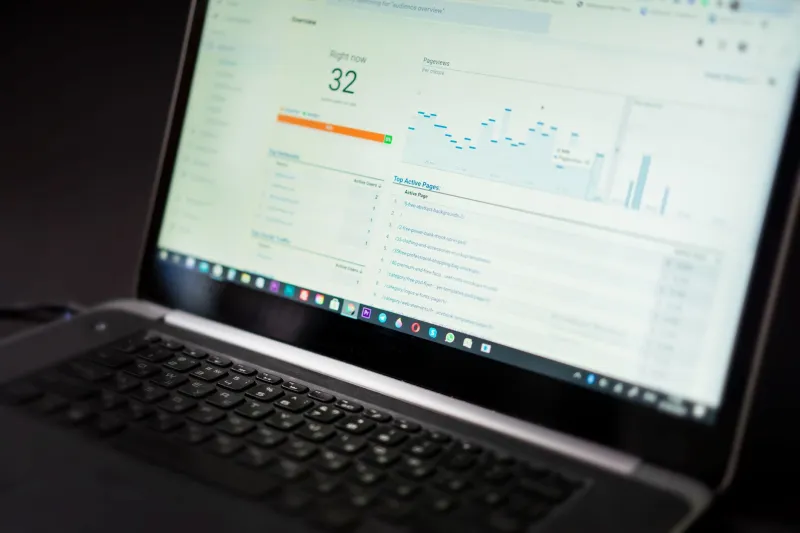
You've seen it happen. A piece of content catches fire — maybe you wrote something that tapped into a news cycle, maybe a Reddit thread linked to your site, maybe a mid-tier influencer shared your article. Whatever the trigger, your analytics dashboard is suddenly lit up like a pinball machine. Traffic is pouring in, and for a brief, glorious moment, you feel like you're about to have your best revenue month ever.
Then you check your ad earnings two days later and realize the spike barely moved the needle.
Welcome to one of the most frustrating experiences in digital publishing: all that traffic, almost none of the money. Here's the thing — it doesn't have to go that way. Viral traffic and trending topic surges are some of the highest-intent visitor pools you'll ever get. They're just brutally time-sensitive, and most publishers aren't set up to capitalize on them before the window slams shut.
Let's fix that.
Why Trending Traffic Is Different (And Why Standard Monetization Fails It)
The visitors showing up during a traffic spike aren't your typical casual browsers. They're people who just saw something that made them curious enough to click — which means they arrived with a specific question, a strong emotion, or an active interest in a topic that's dominating their attention right now.
That's high-intent behavior. And high-intent traffic converts at dramatically higher rates than ambient, algorithmic, or habitual traffic.
The problem is that standard programmatic advertising isn't built to capitalize on intent spikes. Your ad network doesn't know that your traffic just tripled because of a viral tweet. The bids rolling in are based on historical patterns, cookie data, and audience segments — none of which update fast enough to reflect the surge you're experiencing right now. So you get the traffic, the ads serve at normal rates, and the opportunity evaporates.
To actually cash in on a spike, you need monetization mechanisms that either respond instantly or that you've pre-configured to activate when surges hit.
Hour Zero: Detect the Spike Before It Peaks
The 72-hour window starts the moment traffic begins climbing — not when it's already leveled off. Which means you need to be watching.
Set up real-time alerts in Google Analytics or whatever platform you use. Configure a threshold notification for when hourly sessions exceed your normal baseline by 50% or more. If you're serious about this, also monitor your referral sources in real time — knowing whether a spike is coming from Twitter, a news aggregator, or direct search tells you a lot about audience intent and how long the surge is likely to last.
Referral traffic from social platforms tends to be shorter-lived but more emotionally activated. Search-driven spikes around trending queries tend to last longer as the keyword volume builds. Each type calls for a slightly different response.
The First 24 Hours: Capture and Convert
Your first priority when a spike hits is capturing the audience before they leave. Most trending traffic is one-and-done — visitors arrive, read, and disappear forever unless you give them a reason to stick around or a way to stay connected.
Email capture should be your first move. If you don't have an email opt-in prominently placed on your high-traffic page, fix that immediately. During a spike, even a modest conversion rate on email sign-ups can add hundreds or thousands of subscribers to your list — people who showed up because of a trending topic but can be monetized long after the moment passes.
Consider deploying a content upgrade or lead magnet that's topically relevant to whatever's driving the traffic. If you're getting a surge because of breaking news in your niche, a quick PDF checklist or resource guide related to that topic can dramatically boost opt-in rates compared to a generic newsletter sign-up.
Next, look at your affiliate inventory. Are there affiliate offers — products, services, software — that align with the topic driving your spike? If so, make sure those links are prominent on the pages receiving the traffic. Don't bury them. During a spike, your readers are already in a heightened state of interest. A well-placed, relevant affiliate recommendation can convert at rates you won't see during normal traffic periods.
Hours 24–48: Go Premium and Go Direct
Once you've confirmed the spike has legs — meaning traffic is still elevated after the first 24 hours — it's time to think about direct monetization.
Premium ad placements. Contact your ad network rep or log into your network's direct deal marketplace. Let them know you're experiencing a significant traffic surge in a specific topic area. Some networks offer the ability to manually adjust floor prices or flag inventory for premium buyers. Even a temporary CPM floor increase during a verified spike can meaningfully lift your earnings.
Reach out to potential sponsors directly. This one takes nerve the first time you do it, but it works. If your traffic spike is clearly tied to a trending topic — say, a major product launch, a regulatory news story, or a cultural moment — there are brands in your niche that are actively trying to reach that exact audience right now. A quick, direct email to a brand's marketing contact explaining that you're currently receiving elevated, highly relevant traffic and offering a sponsored placement or newsletter feature can convert faster than you'd expect. Brands move quickly when the moment is right.
Niche ad networks. If you're not already plugged into category-specific ad networks relevant to your content area, a spike is a good reminder to get that set up. Niche networks often pay significantly higher CPMs for targeted inventory than general programmatic exchanges, and they're more likely to have direct advertiser demand for specific topic categories.
Hours 48–72: Extend the Tail
By day three, the spike itself may be fading, but that doesn't mean the opportunity is over. This is when you convert the momentum into something more durable.
Publish follow-up content. If a piece went viral, there's an audience now primed to engage with related content. A follow-up article, a deeper dive, or a contrarian take on the same topic can capture search traffic as the news cycle generates more queries. It also gives you another asset to monetize.
Promote your email list to the new subscribers. The people who opted in during the spike are fresh and engaged. Hit them with a welcome sequence that introduces your best content and your most relevant offers. Strike while the iron is hot.
Document what worked. Seriously, write it down. Which pages received the spike? Where did the traffic originate? What monetization tactics produced results? The next time a surge hits, you want a playbook ready — not a scramble.
Build the Infrastructure Before You Need It
The publishers who consistently capitalize on traffic spikes aren't the ones who respond perfectly in the moment. They're the ones who built the systems in advance — the email opt-ins, the affiliate integrations, the brand contact lists, the network relationships — so that when a surge hits, the machinery is already running.
Trending traffic is a gift. It's your audience expanding temporarily, full of high-intent visitors who showed up because something in your niche mattered enough to go viral. You owe it to your revenue to be ready when that happens.
The 72-hour window is shorter than it feels. Start building your spike response infrastructure today, so the next one doesn't die broke.