The Flip Game: How Smart Publishers Are Buying Cheap Traffic and Selling It to Premium Advertisers at a Markup
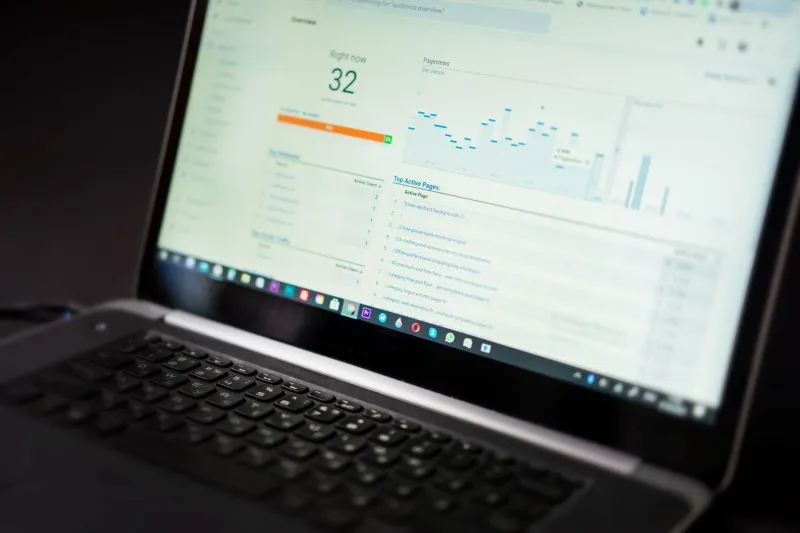
Real estate investors don't build houses from scratch when they can buy undervalued properties, renovate them, and sell at a profit. The same logic applies to web traffic — and the publishers who've figured this out are running a completely different business than everyone else.
Most content creators are passive about traffic acquisition. They publish, optimize for SEO, maybe run some social, and hope the audience grows. Meanwhile, a smaller group of operators is actively buying underpriced visitor segments, repackaging them, and monetizing that same traffic at multiples of what they paid. It's not magic. It's arbitrage — and it's one of the most scalable revenue strategies available to independent publishers right now.
What Traffic Arbitrage Actually Means in 2024
The basic mechanic is straightforward: you acquire traffic at a cost-per-click or cost-per-thousand-impressions rate that's lower than what you can earn from the advertisers serving on your site. The spread between what you pay and what you earn is your margin.
But modern traffic arbitrage has evolved well beyond the old "click farm" reputation it used to carry. Done right, this is a legitimate media buying operation. You're sourcing real, engaged users from undervalued channels — think Taboola, Outbrain, certain Facebook interest segments, niche newsletter swaps, or regional display networks that major brands overlook — and bringing them to content that's genuinely useful to them.
The arbitrage isn't in the traffic itself. It's in the packaging. The same user who costs you $0.04 per click from a content discovery network might be worth $0.18–$0.25 in ad revenue when they land on a page that's properly monetized for premium advertisers. That spread, at scale, is a real business.
Finding the Undervalued Sources
The sourcing side of this equation is where most publishers who try arbitrage fall apart. They go after the obvious channels, find that margins are thin, and give up. The real opportunity is in sources that tier-one advertisers haven't fully colonized yet.
A few categories consistently produce underpriced traffic worth looking at:
Content discovery networks outside the big two. Everyone knows Taboola and Outbrain, but there are smaller regional and vertical-specific networks where CPCs are dramatically lower because competition from major advertisers is minimal. If your content targets audiences in finance, health, or home improvement, these can be goldmines.
Email newsletter ad buys. Independent newsletter operators with engaged, niche audiences often sell ad placements at rates that don't reflect their actual audience quality. A sponsored placement in a 20,000-subscriber newsletter on personal finance can drive traffic that converts at rates comparable to search — at a fraction of the cost.
Social interest segments that major brands ignore. Big brand advertisers cluster around the same audiences on Meta and TikTok, driving up CPMs for the obvious segments. Audiences built around adjacent interests — slightly off the main path of what advertisers typically target — are often underpriced relative to their actual engagement quality.
Affiliate and CPA network traffic. Some affiliate networks have publishers driving traffic that doesn't convert well for direct-response offers but performs fine for display-monetized content. Building relationships with affiliate managers to buy that traffic directly can surface high-quality visitors at commodity prices.
The Repackaging Step Everyone Skips
Raw traffic from a cheap source isn't worth premium CPMs. The repackaging step is what creates the spread. And it's not just about the ad setup — it's about what the user experiences when they land.
Content quality matters here. Traffic that lands on thin, low-effort pages bounces fast. Bounce-heavy sessions don't build audience segments, don't generate viewable impressions, and don't attract premium advertisers. The content your bought traffic lands on needs to be genuinely engaging — long enough to create multiple ad impressions, relevant enough to hold attention, and topically aligned with the audience signals advertisers are actually bidding on.
Audience segmentation is the other half of this. When users arrive from your acquired sources, your analytics and data tools should be tagging and building profiles on them in real time. Finance visitors get flagged for finance advertiser segments. Health visitors get bucketed accordingly. The more precisely you can signal audience composition to your ad partners, the higher the floor prices you can defend.
Some operators take this further by building custom audience segments they can sell directly. If you can demonstrate to a brand advertiser that you have 50,000 monthly uniques who regularly engage with personal finance content and show household income signals above $80K, you're not selling commodity traffic anymore. You're selling a curated audience — and the pricing reflects that.
The Math That Makes This Work
Let's run real numbers, because that's what matters.
Suppose you're buying traffic from a content discovery network at an average CPC of $0.05. You drive 100,000 visits in a month at a total cost of $5,000. Your pages average 1.8 ad impressions per session with a blended CPM of $12 from a mix of direct deals and programmatic. That's 180,000 impressions, generating $2,160 in ad revenue.
That's a loss. Which is why the repackaging work matters so much.
Now suppose you've optimized the landing content for engagement, built out your audience segments, and pushed your blended CPM to $22 through better targeting signals and a direct deal with a financial services advertiser. Same 180,000 impressions now generate $3,960. Still a loss, but you're getting closer.
Add a second monetization layer — an email capture that feeds a newsletter you monetize separately, or an affiliate offer that converts at 1% with a $45 payout — and the math shifts. The arbitrage model works when you're stacking revenue streams, not relying on display alone.
Operators running this well are typically targeting 2.5–4x returns on their traffic spend. That requires strong content, tight audience segmentation, and diversified monetization. But it's achievable, and it scales.
The Risk Side You Need to Understand
Arbitrage isn't passive income. Traffic quality needs constant monitoring. Low-quality sources can introduce bot traffic that tanks your ad network relationships. Some content discovery networks have policies about arbitrage use cases, so read the terms carefully before you build a business on a single source.
Margin compression is also real. As more publishers discover undervalued sources, CPCs rise and spreads narrow. The operators who win long-term are the ones building durable audience assets — email lists, loyal readers, first-party data — rather than just flipping anonymous clicks.
But as a growth lever for publishers who want to scale revenue without waiting years for organic traffic to compound? The flip game is very much worth playing.